
At a glance
- Via media is Latin for "the middle way". Anglicans use it for their church's place between the Roman Catholic and the Protestant Reformed traditions.
- The idea goes back to the Elizabethan Settlement of 1559 and to Richard Hooker. The phrase itself became popular in the 1830s.
- Anglicans look to Scripture first, read with reason and the tradition of the Church. The "three-legged stool" is a later image, not Hooker's own.
- Two later movements pulled the middle way in different directions: the evangelicals and the Oxford Movement. Both left lasting gifts.
- The Chicago–Lambeth Quadrilateral (1886/1888) set out four essentials: Scripture, the Creeds, the two Sacraments and the historic episcopate.
- Episcopalians express their belief chiefly through common prayer: lex orandi, lex credendi, "the law of praying is the law of believing".
What "middle way" does and does not mean
The Latin phrase was made famous by John Henry Newman, who used Via Media as the title of two of the Tracts for the Times in 1834. The idea is much older. George Herbert praised the English church for keeping "the mean" in 1633, and the Preface to the 1662 Prayer Book speaks of keeping "the mean between the two extremes".
A middle way is not a halfway house or a polite compromise. At its best, it is a conviction that the church of the Reformation could be both Catholic and Reformed. Catholic, because it keeps continuity with the ancient Church: bishops in succession, the creeds, the sacraments, a liturgy that follows the Christian year. Reformed, because Scripture is the final test of doctrine, worship is in the people's own language, and salvation is God's free gift received by faith.
The diagram below is a simplification, as every such picture is. Roman Catholics, Lutherans and Reformed Christians each have their own rich traditions, and Anglicans have learned from all of them.
Richard Hooker and the Laws
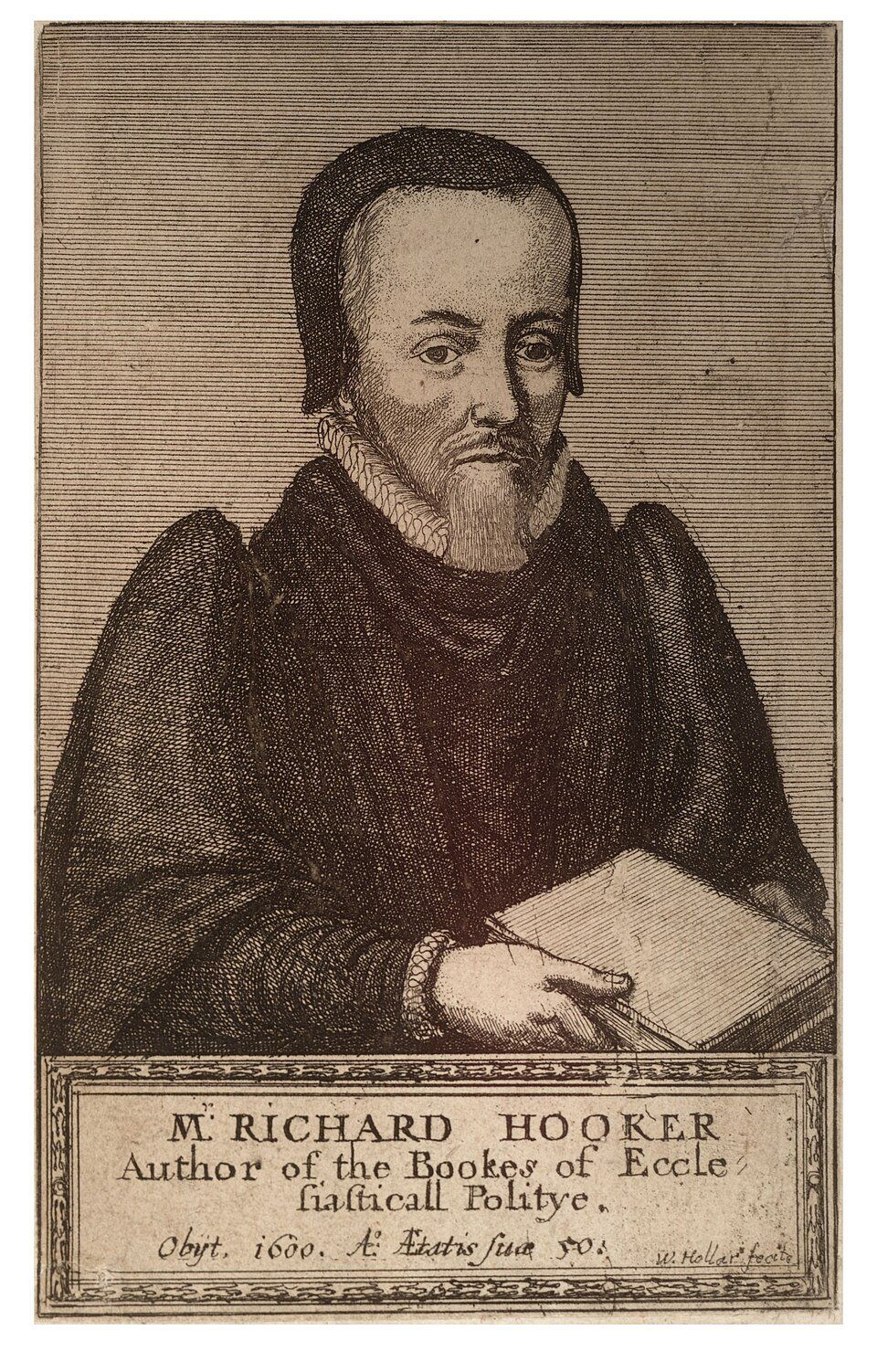
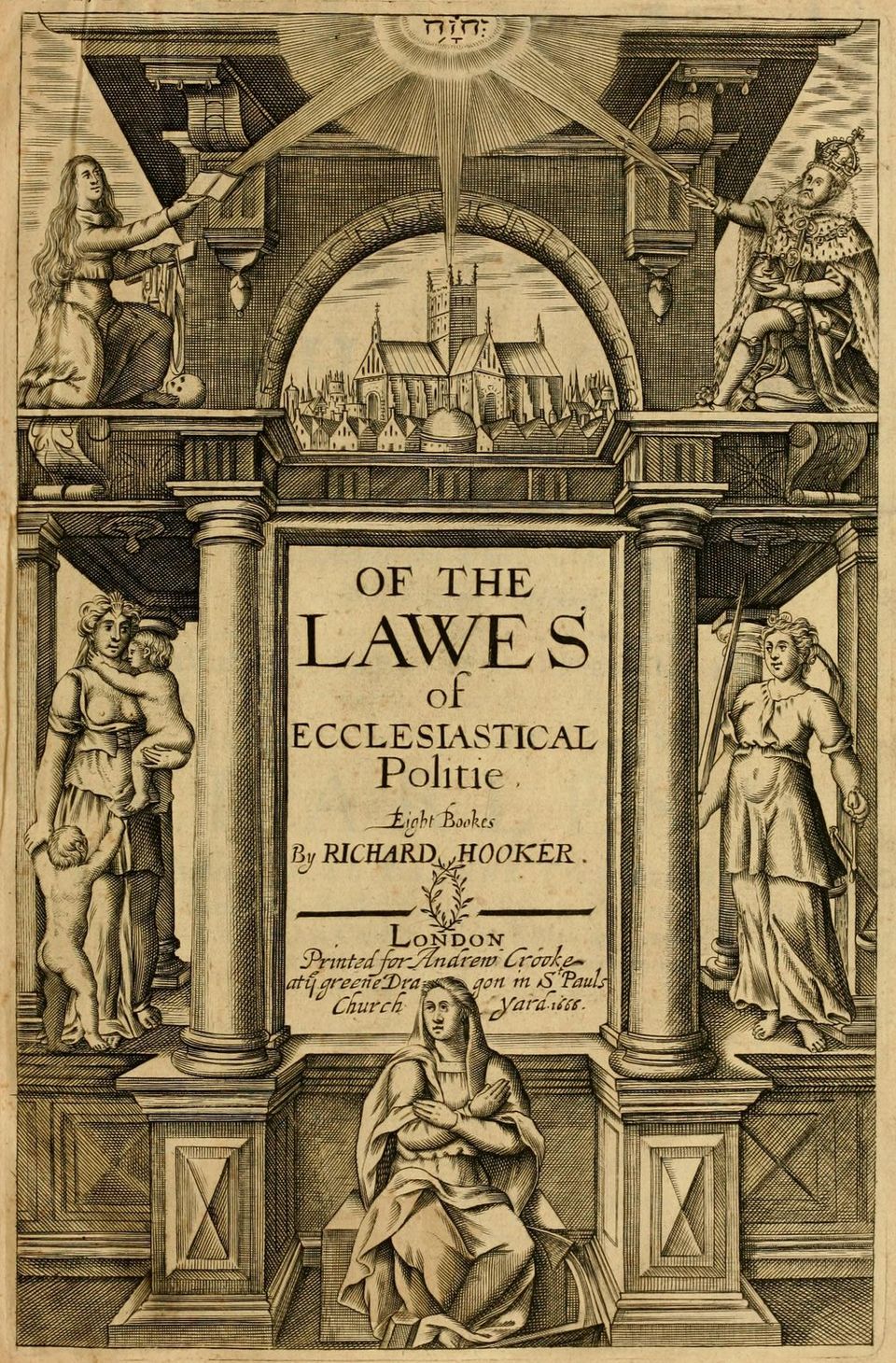
The first great explanation of the Elizabethan church came from Richard Hooker (c. 1554–1600), a quiet scholar who was for a time Master of the Temple in London. His Of the Laws of Ecclesiastical Polity (the first four books are dated 1593 and appeared early in 1594, the fifth in 1597, the rest after his death) answered Puritan critics who held that the Church must do only what the Bible explicitly commands.
Hooker replied that God governs the world through many kinds of law: the law of nature, discovered by reason, as well as the revealed law of Scripture. Scripture contains everything necessary for salvation, but it does not settle every question of church order and ceremony. In those matters the Church may decide, guided by reason, by the wisdom of earlier Christians, and by charity. He wrote with unusual courtesy toward his opponents and with a deep love for the Church's worship, to which Book V is devoted.
"…what Scripture doth plainly deliver, to that the first place both of credit and obedience is due; the next whereunto is whatsoever any man can necessarily conclude by force of reason; after these the voice of the Church succeedeth." Richard Hooker, Of the Laws of Ecclesiastical Polity, Book V, chapter 8, section 2 (1597)
Scripture, tradition and reason
Passages like this one gave rise to a familiar summary: Anglicans rely on Scripture, tradition and reason. It is often pictured as a "three-legged stool". Two cautions are worth making. First, the stool is a later image, not Hooker's. It does not appear in his writings, and the scholar W. David Neelands traces the three-fold summary to Francis Paget's introduction to Book V, published in 1899. Second, Hooker did not treat the three as equal legs. He gives Scripture the first place, then the conclusions of sound reason, then the voice of the Church. Some modern writers prefer the image of a tripod with one long leg, or of Scripture read within the Church with reason.
The Caroline divines
The generation after Hooker, writing mostly under James I and Charles I (and so called "Caroline", from Carolus, Charles), gave the middle way its devotional heart. Lancelot Andrewes, one of the translators of the King James Bible, preached on the great feasts and wrote private prayers in which Scripture and the early Fathers are woven together. George Herbert, a country parson, wrote poems that are still sung as hymns. John Cosin and Jeremy Taylor wrote on prayer, holy living and the sacraments. Their shared appeal was to Scripture as read by the undivided Church of the first centuries, and to "the beauty of holiness" in worship (Psalm 96:9). After the Restoration, their outlook shaped the 1662 Prayer Book.
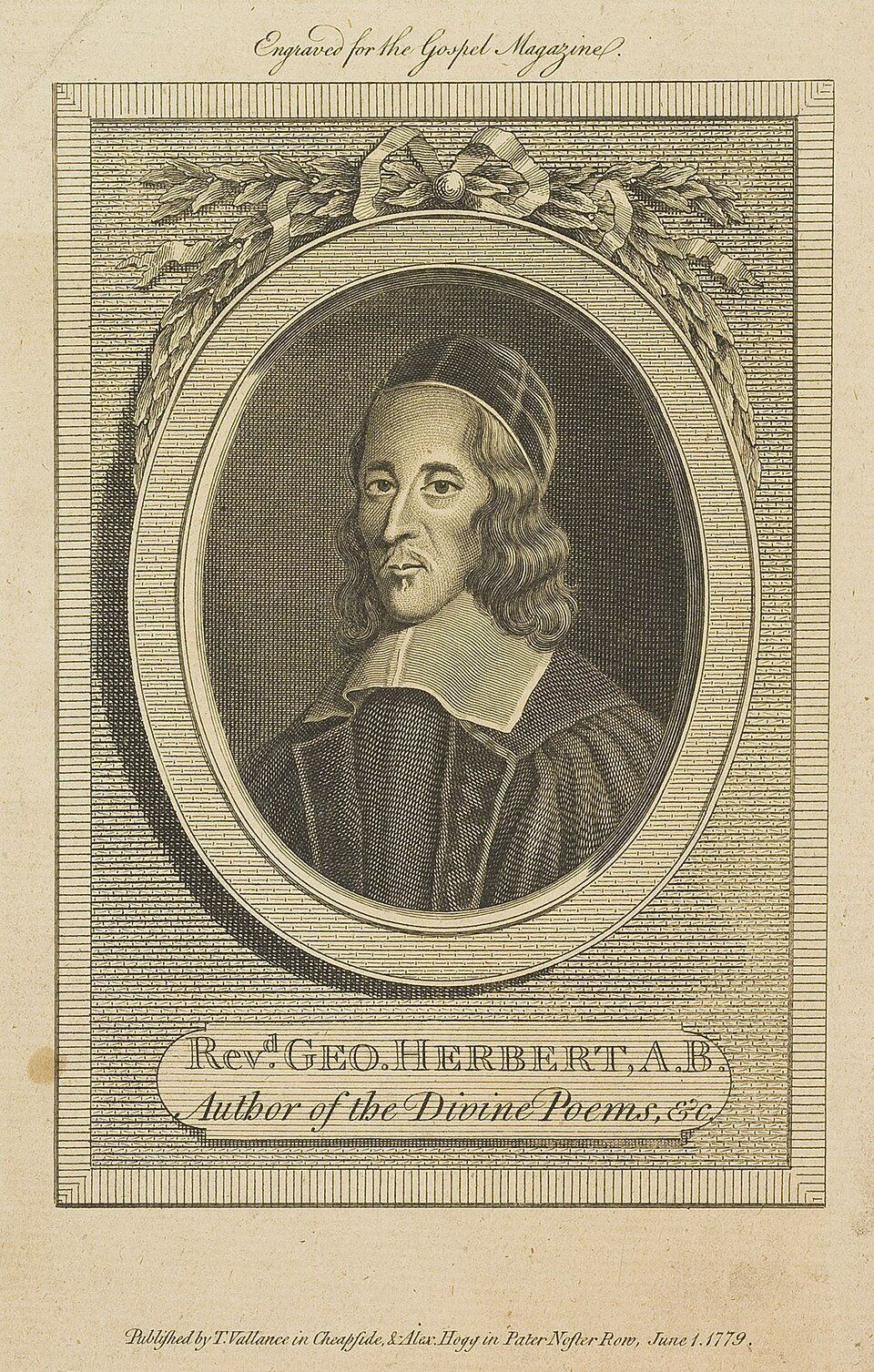
"But dearest Mother, (what those misse) / The mean thy praise and glorie is, / And long may be." George Herbert, "The British Church", in The Temple (1633). "Those" are the churches Herbert pictures on either side: one too richly dressed, one too bare.
Two later pulls: evangelicals and the Oxford Movement
The middle way has never stood still.
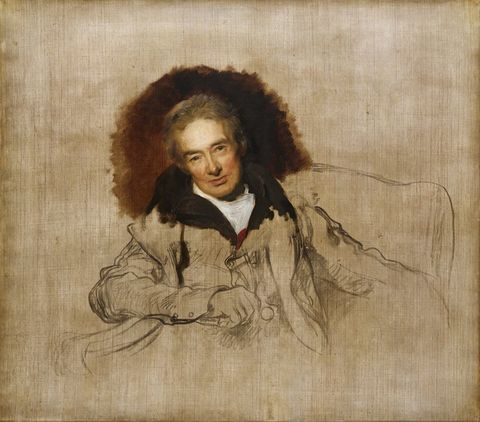
William Wilberforce (1759–1833)
Evangelical layman who led the campaign against the British slave trade.
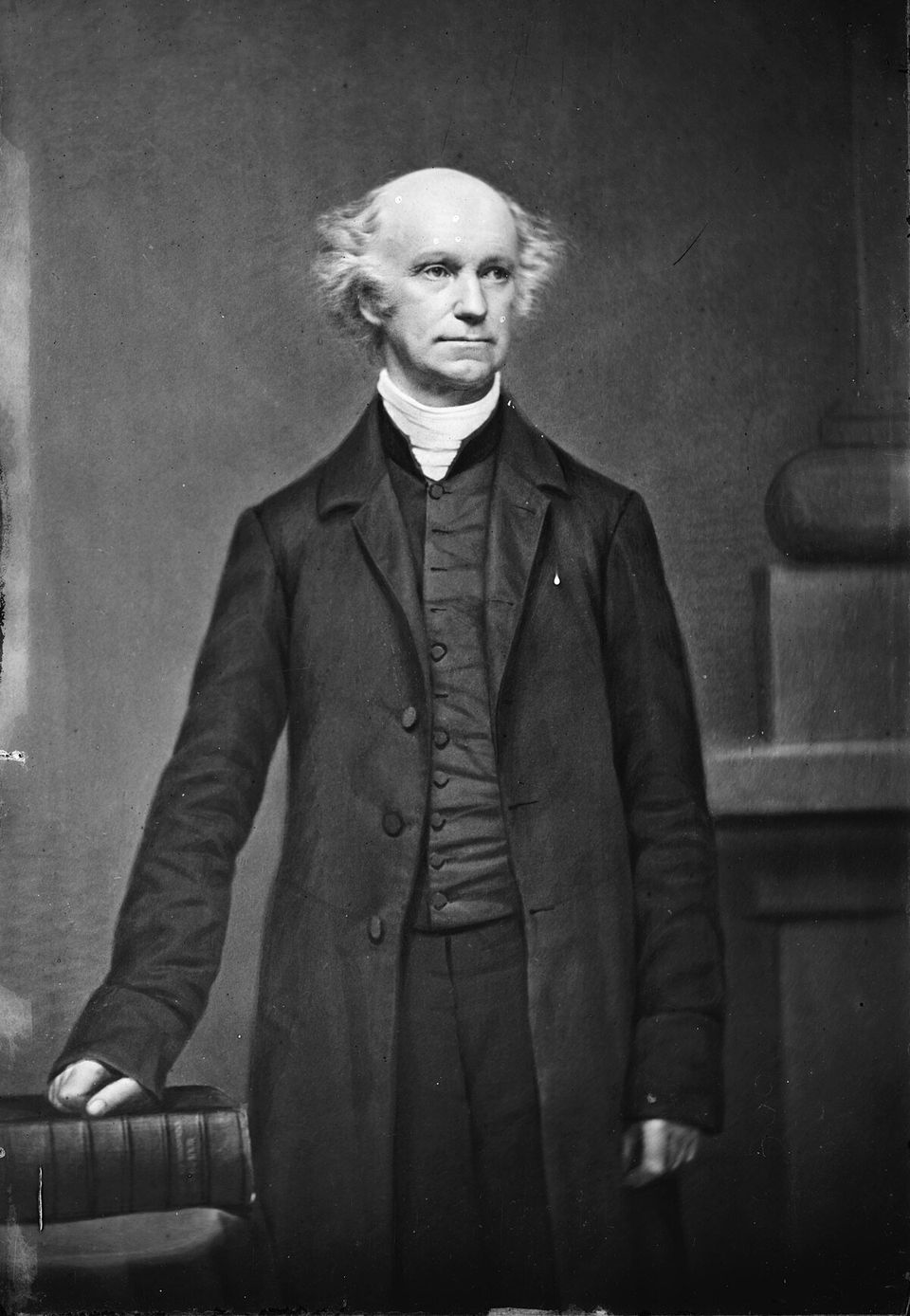
Charles P. McIlvaine (1799–1873)
Rector of Christ Church from 1820; as Bishop of Ohio, a leading evangelical.
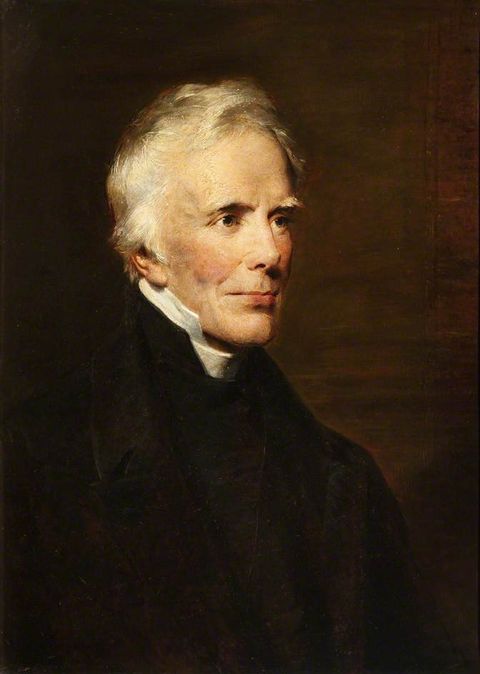
John Keble (1792–1866)
His 1833 Assize Sermon is taken as the start of the Oxford Movement.
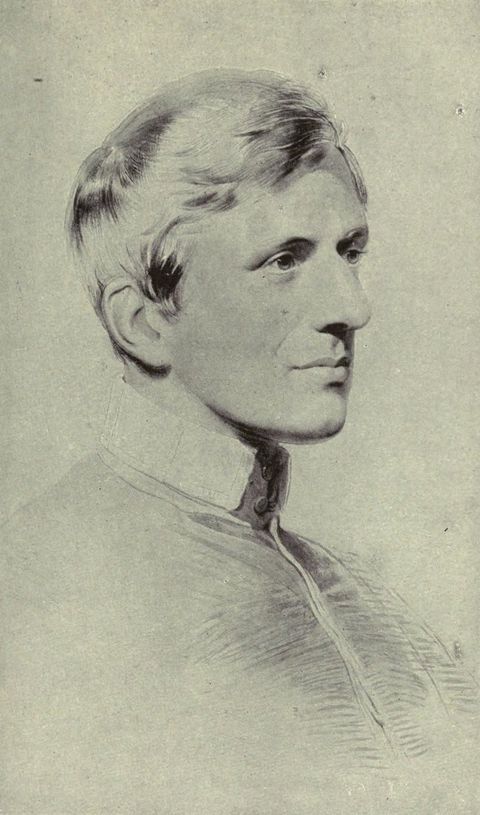
John Henry Newman (1801–1890)
Leader of the Oxford Movement; became a Roman Catholic in 1845.
The evangelical revival of the eighteenth century began inside the Church of England. John and Charles Wesley were Anglican priests (the Methodists became a separate church only after John Wesley's death). Evangelicals such as Charles Simeon in Cambridge and William Wilberforce, who led the parliamentary campaign against the slave trade, stressed personal conversion, the authority of the Bible, preaching, missions and moral reform. In America, evangelical Episcopalians were strong in Virginia and Maryland. Christ Church's own founders included leading evangelical laymen, among them Francis Scott Key, and one of its early rectors, Charles P. McIlvaine, became an evangelical leader as Bishop of Ohio.
The Oxford Movement began, by tradition, with John Keble's sermon on "National Apostasy" at Oxford in July 1833. Keble, John Henry Newman and Edward Bouverie Pusey published the Tracts for the Times, recalling the Church of England to its Catholic inheritance: the apostolic succession of bishops, the sacraments, the Church Fathers, and a disciplined life of prayer. Newman himself was received into the Roman Catholic Church in 1845, but the movement went on to renew worship, music, church architecture and care for the urban poor across the Anglican world. It also shaped much of the ceremonial that many Episcopal parishes now take for granted, such as candles on the altar, vested choirs and a weekly Eucharist.
Each pull at times looked like a threat to the other. Looking back, most Anglicans see both as gifts: the evangelicals' love of Scripture and mission, and the Oxford Movement's love of sacrament and beauty, belong together.
Comprehension: room for difference
Behind all this is an old Anglican ideal called comprehension: the national church should be broad enough to hold, under one Prayer Book, people who disagree about much. The Elizabethan words of administration at Communion, joining the 1549 and 1552 sentences, are an early example. Comprehension has limits, and Anglicans have argued about them in every century. It is also why many Episcopal parishes, Christ Church among them, describe themselves as communities that welcome people who see things differently. Our parish's mission statement speaks of "a fellowship that respects their views, as well as those of people who see things differently."
The Chicago–Lambeth Quadrilateral
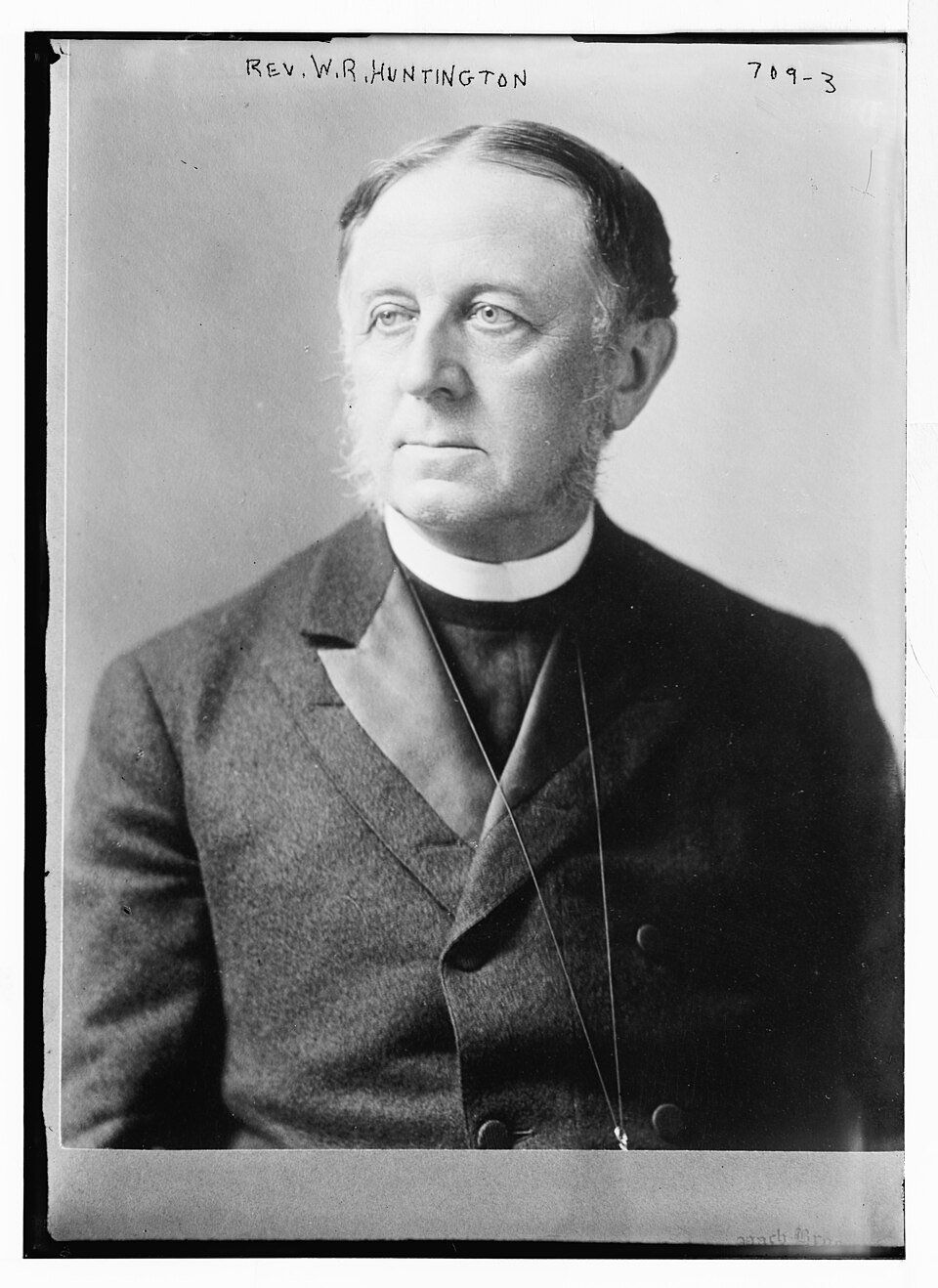
In the nineteenth century, Anglicans asked what was truly essential for Christian unity. The American priest William Reed Huntington proposed four points in The Church-Idea (1870). The House of Bishops of the Episcopal Church adopted them at the General Convention in Chicago in 1886, and the bishops of the Anglican Communion, meeting at the Lambeth Conference of 1888, adopted them in a slightly revised form. The four essentials are:
- The Holy Scriptures of the Old and New Testaments, as containing all things necessary to salvation.
- The Creeds: the Apostles' Creed as the baptismal creed and the Nicene Creed as the sufficient statement of the Christian faith.
- The two Sacraments ordained by Christ himself, Baptism and the Supper of the Lord.
- The historic episcopate, locally adapted to the needs of different nations and peoples.
The Quadrilateral is printed among the Historical Documents of our Prayer Book (pages 876–878). It still guides Anglican conversations with other churches, including the full communion the Episcopal Church shares with the Evangelical Lutheran Church in America.
Lex orandi, lex credendi: belief shaped by prayer
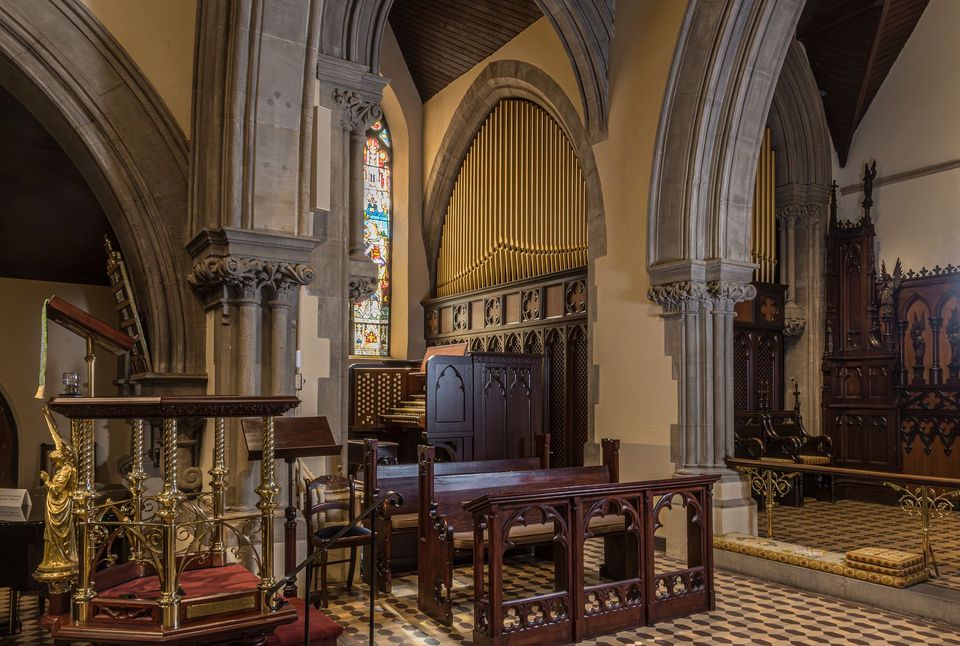
Unlike many churches of the Reformation, the Episcopal Church has no long confession of faith that members must sign. When people ask what Episcopalians believe, the usual answer is: look at how we pray. A fifth-century saying, attributed to Prosper of Aquitaine, is often shortened to lex orandi, lex credendi, "the law of praying is the law of believing".
So the Book of Common Prayer is the shape of our belief. The creeds are said in the liturgy. Baptism is administered with the Baptismal Covenant, built around the Apostles' Creed. The Eucharist is celebrated in prayers that tell the whole story of salvation. Morning and Evening Prayer lead the church through the Psalms and the Scriptures year after year. In ordination, a new deacon, priest or bishop promises to "conform to the doctrine, discipline, and worship" of the Episcopal Church: worship is part of the definition of doctrine. And because the prayer is common, the same words are said by the whole congregation and in every parish. Belief becomes something we do together, not alone.
At Christ Church. Our parish describes its worship as "traditional, reverent worship", with "the daily recitation of the Prayer Book Offices" and "the Eucharistic liturgy that is the beating heart of the life of our church" (About us). That is the via media in practice: the ancient shape of Catholic worship, prayed in English from a Reformation Prayer Book, with Scripture read at every service. See Worship services and Sacraments.
Sources
- Richard Hooker, Of the Laws of Ecclesiastical Polity, in Works, ed. John Keble, 7th ed. (Oxford, 1888), vol. II, p. 34 for Book V.8.2: Internet Archive; page images by book at Project Canterbury.
- W. David Neelands, "Hooker on Scripture, Reason, and 'Tradition'", in A. S. McGrade (ed.), Richard Hooker and the Construction of Christian Community (Medieval & Renaissance Texts & Studies, 1997).
- George Herbert, "The British Church", The Temple (1633): Wikisource.
- John Henry Newman, The Via Media of the Anglican Church (Tracts 38 and 41, 1834; Lectures on the Prophetical Office, 1837): Newman Reader.
- Prosper of Aquitaine and lex orandi, lex credendi: United States Conference of Catholic Bishops.
- Paul Avis, Anglicanism and the Christian Church: Theological Resources in Historical Perspective, rev. ed. (T&T Clark, 2002).
- Stephen Neill, Anglicanism (Penguin, 1958; 4th ed., Mowbray, 1977).
- Mark Chapman, Anglicanism: A Very Short Introduction (Oxford University Press, 2006).
- The Chicago–Lambeth Quadrilateral: The Book of Common Prayer (1979), pp. 876–878: official PDF.
- "Via media", "Oxford Movement", "Hooker, Richard": An Episcopal Dictionary of the Church, The Episcopal Church: via media, Oxford Movement, Hooker.
Image credits
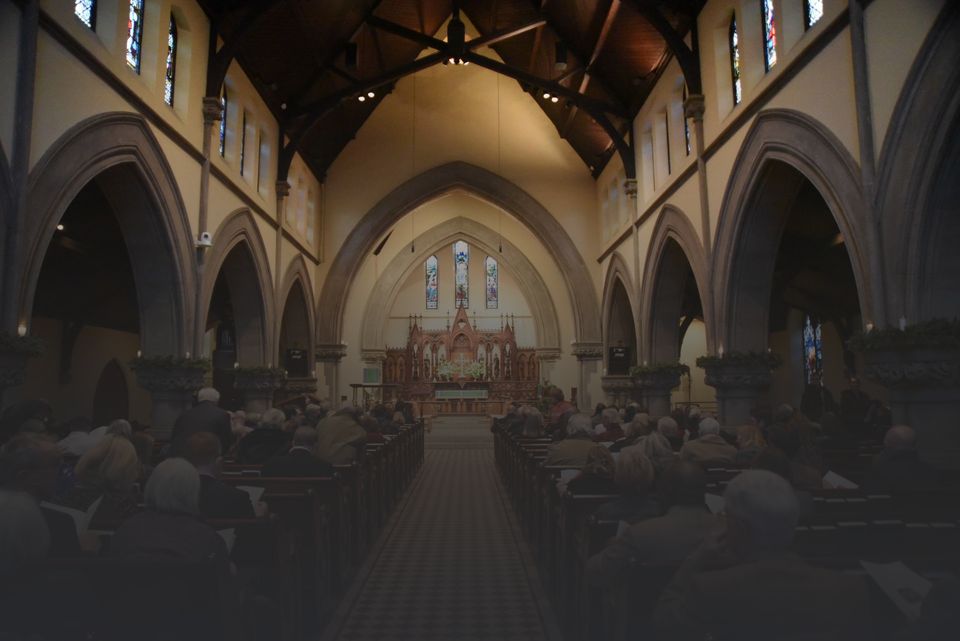
- The nave of Christ Church (top of page) and the church interior: Christ Church, Georgetown.
- Richard Hooker, engraving by Wenceslaus Hollar, Thomas Fisher Rare Book Library, University of Toronto: Wikimedia Commons, public domain.
- Title page of Of the Lawes of Ecclesiastical Politie (London, 1666): Wikimedia Commons, public domain.
- George Herbert, engraving for the Gospel Magazine, 1779, KU Leuven Libraries: Wikimedia Commons, public domain.
- William Wilberforce, Sir Thomas Lawrence, 1828 (unfinished), National Portrait Gallery, London: Wikimedia Commons, public domain.
- Charles P. McIlvaine, Mathew Brady studio, 1855–65: Library of Congress, public domain.
- John Keble, George Richmond, 1876, Keble College, Oxford: Wikimedia Commons, public domain.
- John Henry Newman, drawing by George Richmond, 1844: Wikimedia Commons, public domain.
- William Reed Huntington, Bain News Service, before 1909: Library of Congress, public domain.
- The via media diagram: Christ Church, Georgetown.


